The Arts, a vital part of 'STEAM' (Science, Technology, Engineering, Arts, Math).
Cultural knowledge and understanding.
Essential for being 'humane' as a humanitarian.
.jpg)


·
The return of Lord Rama, his wife Sita, and his brother
Lakshmana to their kingdom of Ayodhya after 14 years of exile and defeating the
demon king Ravana. The people of Ayodhya welcomed them by
lighting rows of lamps.
·
The incarnation of Lord Vishnu as Krishna, who killed the tyrant
king Narakasura and freed 16,000 captive princesses. The next day, Krishna’s consort Radha and the other women
applied colorful powders on his face, which started the tradition of playing
with colors during Diwali.
·
The worship of Goddess Lakshmi, the deity of wealth and
prosperity, who was born from the churning of the ocean by the gods and the
demons. People perform Lakshmi puja, clean and
decorate their homes, and exchange gifts and sweets to invite her blessings.
· The nirvana or liberation of Mahavira, the 24th and last Tirthankara of Jainism, who established the core principles of ahimsa (non-violence), anekantavada (many-sidedness), and aparigraha (non-attachment). Jains observe fasting, meditation, and charity on this day4.
Diwali is a time to celebrate the triumph of light over darkness, and to spread joy and peace. It is also a time to reflect on our inner light, and to seek the divine grace within us.
Happy Diwali!

"In 1958, in NAACP v. Alabama ex rel Patterson, the U.S. Supreme Court declared these mandatory disclosure laws unconstitutional, as violative of the First Amendment right to freedom of association."


|

The Resilient Nation Partnership Network (RNPN) represents a diverse network of voices united in their commitment to help communities act and become more resilient toward natural disasters and climate-related events. What started as a handful of like-minded individuals has flourished to over 1,600 organizations represented. Our mission is to inform, educate, and motivate communities to protect themselves from the loss of life, property, and prosperity as a result of natural hazards.
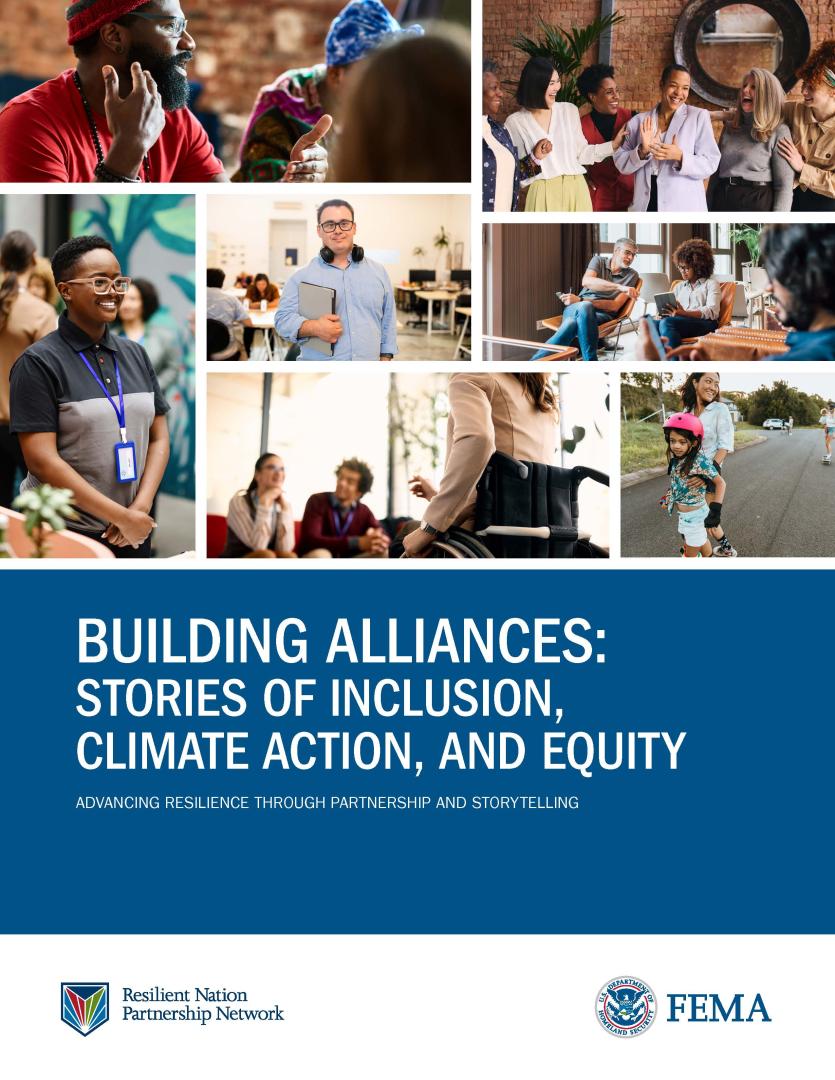
The Resilient Nation Partnership Network announced the final installment of the Building Alliances series. The “Building Alliances: Stories of Inclusion, Climate Action and Equity is a collaboration with our partners in equity and resilience. ” As we shift from the “Building Alliances” series, the stories of the last three years found in this resource is a foundation to adopt and advance equitable and inclusive resilient practices.
It wasn’t long ago the Resilient Nation Partnership Network was simply an idea. How do we develop a network that can drive actionable change to build a resilient nation? In 2015, the RNPN was formed to cultivate relationships with non-traditional organizations, bring new voices to the table, and advance the resilience conversation.
We all have a stake in creating a more equitable and resilient nation. None of us can do it alone. By placing the success of the whole community first and foremost, our impact as a network continues to grow and strengthen.
The Resilient Nation Partnership Network is driven by three central priorities which influence our work, partnerships, programming and strategic goals.