“The illiterate of the 21st century will not be those who cannot read and write, but those who cannot learn, unlearn, and relearn.” -Alvin Toffler

Wednesday, May 24, 2023

Disasters and Special Needs: Orientación de Preparación para Emergencias-Concientización acerca de Desastres Para Personas con Discapacidades Jueves, 25 de Mayo 1:00 pm – 2:00 PM ET


Top Banner

Upcoming Events

Subscribe To Our Bulletin

Monday, May 22nd, 2023

Webinars

Emergency Preparedness Orientation-Disaster Awareness for People with Disabilities

Wednesday, May 24th from 1:00 PM – 2:00 PM ET

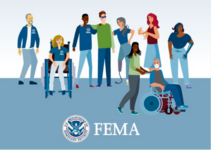
AFNPlease join the Region 2 National Preparedness Division, in collaboration with the PR Disability Integration Section Lead, for a workshop on Emergency Preparedness for People with Disabilities and others with Access and Functional Needs. The discussion will focus on basic tools to be prepared in the event of a natural or man-made disaster.

This workshop aims to support and orient people with disabilities, their families, caregivers and the general public on the need to prepare for all hazards. It also includes special financial considerations and guidance to identify type of risks in your community. Emergency Managers will learn how to better interact, and the necessary etiquette to support people with disabilities during emergencies.

Who should attend? Whole community, individuals with disabilities and other with access and functional needs, caregivers, Local, State and Federal Emergency Managers, CERT Program Leads, Department of Health, and NGO’s.

Registration: https://fema.connectsolutions.com/disabilityaware/event/registration.html 


ASL

ASL Interpretation will be available for this Webinar.


Orientación de Preparación para Emergencias-Concientización acerca de Desastres Para Personas con Discapacidades

Jueves, 25 de Mayo 1:00 pm – 2:00 PM ET

AFNLa División de Preparación Nacional de la Región 2, en colaboración con el Asesor Principal de Integración de Discapacitados de PR, le invita a participar en un taller sobre preparación ante emergencias para personas con discapacidad y otras personas con necesidades funcionales y de acceso. El debate se centrará en las herramientas básicas para estar preparados en caso de catástrofe natural o provocada por el hombre.

El taller tiene como objetivo apoyar y orientar a las personas con discapacidad, sus familias, cuidadores y público en general sobre la necesidad de prepararse para todo tipo de riesgos. Incluye además aspectos financieros a considerar, así como orientación para identificar tipos de riesgos en su comunidad. Los Manejadores de Emergencias tendrán la oportunidad de familiarizarse con el protocolo necesario para apoyar a las personas con discapacidades durante emergencias.

¿Quién debería asistir? Toda la comunidad, personas con discapacidades y con otras necesidades funcionales y de acceso, sus cuidadores, manejadores de emergencias, representantes de los gobiernos estatales y federales, miembros CERT, personal del Departamentos de Salud y ONGs.

Registro: https://fema.connectsolutions.com/orientacionemergencia-personascondiscapacidades/event/registration.html


ASL

La interpretación de ASL estará disponible para este seminario web.


Disability Etiquette, Awareness, Sensitivity and Terminology Panel Discussion

Thursday, June 22nd from 1:00 PM - 2:30 PM ET


odicPlease join the Region 2 National Preparedness Division for a panel discussion on disability etiquette, awareness, sensitivity and terminology.

This session will explore and address disability etiquette, awareness, sensitivity, and terminology issues and best practices. We have identified a strong need for a dialogue on these topics based on requests from our nationwide audience, which includes emergency managers, first responders, public health officials, disability related organizations, and social service organizations, as well as other stakeholders. The webinar will feature a great panel of subject matter experts including June Kailes, internationally recognized Disability Policy Consultant, Therése Brzezinski, Director of Planning and Public Policy L.I. Center for Independent Living and Joe Zesski from the Northeast ADA Center.

Who should attend? Emergency Managers, Public Health Officials, Whole community partners, Volunteer and faith-based organizations, Local, State, Tribal and Federal government.

Registration: https://fema.connectsolutions.com/disabilitypanel22jun/event/registration.html 


ASL

ASL Interpretation will be available for this Webinar.


CLIMATE SECURITY EMERGENCY PREPAREDNESS FEMA Announces Additional $160M to Build Climate and Disaster Resilience Nationwide


FEMA Announces Additional $160M to Build Climate and Disaster Resilience Nationwide

Yesterday’s announcement includes just a fraction of the projects that these funds will ultimately enable. FEMA plans to make final project selections using Fiscal Year 2022 funding at a later date, which will include larger and more complex projects for both programs.

The Federal Emergency Management Agency (FEMA) has announced $160 million in additional funding through the Bipartisan Infrastructure Law for states, local communities, tribes, territories and the District of Columbia to build climate and disaster resiliency, including the selection of more than 400 resilience projects and activities.

The May 19 announcement includes $136 million for the Building Resilient Infrastructure and Communities (BRIC) program and $24 million for the Flood Mitigation Assistance program. Both programs are part of the Justice40 Initiative, advancing President Biden’s commitment to environmental justice. In addition, $54 million of this funding is set-aside for Tribal Nations that applied.

The announcement comes as the Biden-Harris Administration celebrates Infrastructure Week and the 18-month anniversary of President Biden signing the Bipartisan Infrastructure Law. The law provides nearly $7 billion in funding to support FEMA’s resilience and mitigation programs. To date, over $370 million in awards have been announced from these two programs from the infrastructure law.

“From hurricanes in the east, to wildfires in the west, to tornadoes tearing through America’s heartland, every community faces some level of disaster risk. These frequent and intense events fueled by climate change demonstrate that mitigation funding continues to serve as one of our most powerful tools in reducing the impacts we’re seeing. President Biden’s Bipartisan Infrastructure Law further advances FEMA’s mission to build nationwide resilience through a nearly $7 billion investment across FEMA’s mitigation programs,” said FEMA Administrator Deanne Criswell. “We know these mitigation dollars will have the biggest impact at the local level, and that is why we are committed to delivering these funds to communities equitably and in a way that meets their unique needs.” 

During this grant cycle, each state and territory that applied for the set-aside funding were eligible for up to $2 million to support mitigation projects and planning, project scoping, and the adoption and enforcement of hazard resistant building codes. 

Historic Levels of Resilience Funding

The Biden-Harris Administration has approved historic funding levels for FEMA’s annual resilience grant programs. Combined funding for the BRIC and Flood Mitigation Assistance programs increased from $660 million to $1.16 billion during President Biden’s first year in office. In 2022, combined funding for these programs nearly tripled to more than $3 billion, including $900 million in Bipartisan Infrastructure Law funds. The Bipartisan Infrastructure Law provides $6.8 billion to support the agency’s resilience and mitigation programs overall.

Yesterday’s announcement includes just a fraction of the projects that these funds will ultimately enable. FEMA plans to make final project selections using Fiscal Year 2022 funding at a later date, which will include larger and more complex projects for both programs. For BRIC, this will include selections made through a national funding competition. Flood Mitigation Assistance selections will include acquisitions, elevations and local flood risk reduction projects. 

BRIC Non-Financial Direct Technical Assistance Selections

For communities and Tribal Nations with limited resources, FEMA is also announcing 46 selections for BRIC non-financial Direct Technical Assistance. This assistance, for up to 36 months, helps local and tribal jurisdictions reduce disaster damage, build community resilience and sustain successful mitigation programs. FEMA reviews each submitted request and selects communities based on the compelling need, the specific request, and the extent to which the request demonstrates that the assistance will further BRIC’s goals to build community capability and resilience.

As the Direct Technical Assistance program enters its third year, this announcement brings the total number of entities benefiting from this hands-on support to 74 communities, territories, and tribes nationwide. This wide-ranging assistance includes support for climate risk assessments, community engagement, partnership building, hazard mitigation and climate adaptation planning.  

Summary of Bipartisan Infrastructure Law Funding for FEMA Programs

In addition to the BRIC and Flood Mitigation Assistance programs, the Bipartisan Infrastructure Law has provided funding for a number of FEMA programs that are taking decisive action to tackle the climate crisis and strengthen resilience nationwide, including in underserved and disadvantaged communities.

  • $185 million in State and Local Cybersecurity Grants to address threats to information systems. In total, the agency will make available $1 billion over four years to support strong cyber security practices for states, local communities, tribes and territories. To date, $176 million has been allocated through this program.
  • $733 million over five years is available for states and territories to enhance dam safety programs. In Fiscal Year 2022, FEMA awarded $15 million for the National Dam Safety Program to provide technical assistance, planning, design and construction grants for rehabilitating eligible high-hazard potential dams.
  • $60 million for the Swift Current Initiative, which provides funding to four states impacted by Hurricane Ida in 2021. These states – Louisiana, Mississippi, New Jersey and Pennsylvania – were selected because they have the highest number of repetitively flood damaged, NFIP-insured unmitigated buildings and total claims (by count) within their respective regions. To date, more than $30 million has been allocated. 
  • $500 million for the Safeguarding Tomorrow Revolving Loan Fund program over five years. This program provides capitalization grants to states, eligible federally recognized tribes, territories and the District of Columbia to establish revolving loan funds. These low-interest loans allow jurisdictions to reduce vulnerability to natural disasters and foster greater community resilience. To date, $50 million has been announced.


Tuesday, May 23, 2023

USAID: Diaspora Partnership Accelerator - Closing Ceremony Thursday June 29th 3:00 PM-5:00 PM Embassy of Haiti


Save the Date


To celebrate everyone’s hard work in bringing this innovative diaspora engagement pilot to fruition, USAID and its partners Vistant and HRA invite you to save the date for a final update and a closing ceremony of the DPA project. The event is an opportunity to showcase the achievements and successes of the three winners—Caribbrew, H.O.P.E., and Friends of Maténwa. Panelists, partners, and award recipients will have an opportunity to share lessons learned and perspectives from the DPA collaboration. This event will also highlight the value of diaspora partnerships to sustain humanitarian recovery efforts and to build greater resilience.


Diaspora Partnership Accelerator - Closing Ceremony

Thursday June 29th

3:00 PM-5:00 PM

Embassy of Haiti

2311 Massachusetts Ave, Washington, D.C.


DPA Updates


USAID: Event: USAID Business Forecast and Partner Update Webinar FY 2023 Third Quarter. Wednesday, June 14 at 9:00am ET


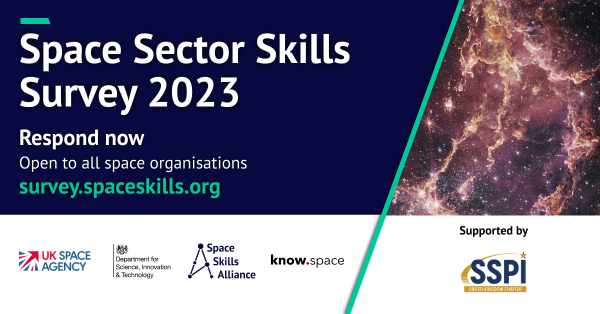
Space Sector Skills Survey 2023


Complete the survey to help us understand the recruitment and skills challenges in our industry


Space Sector Skills Survey 2023

- understanding recruitment and skills challenges -

The survey has been commissioned by the UK Space Agency as the primary source of evidence to support the UK Government’s understanding of skills gaps and workforce challenges in the space sector.

It is being conducted by Space Skills Alliance and know.space, and is open from 24th April 2023 to 2nd June 2023.

Your answers to this survey will directly feed into policy-making decisions at the Department for Science, Innovation and Technology, and will be used by the UK Space Agency to inform funding of skills and training interventions.

This is your opportunity to influence DSIT and the UK Space Agency.

For more information contact us on sspi_uk@sspi.org.

Join SSPI UK, follow us on social media, and stay in touch that we can build the larger network, beneficial to all.

Visit SSPI UK website for more news or follow us on LinkedIn and Twitter.


Popular Posts

ARCHIVE List 2011 - Present

Search This Blog

Environmental Justice

Recovery\Homeless Shelters. U.S.